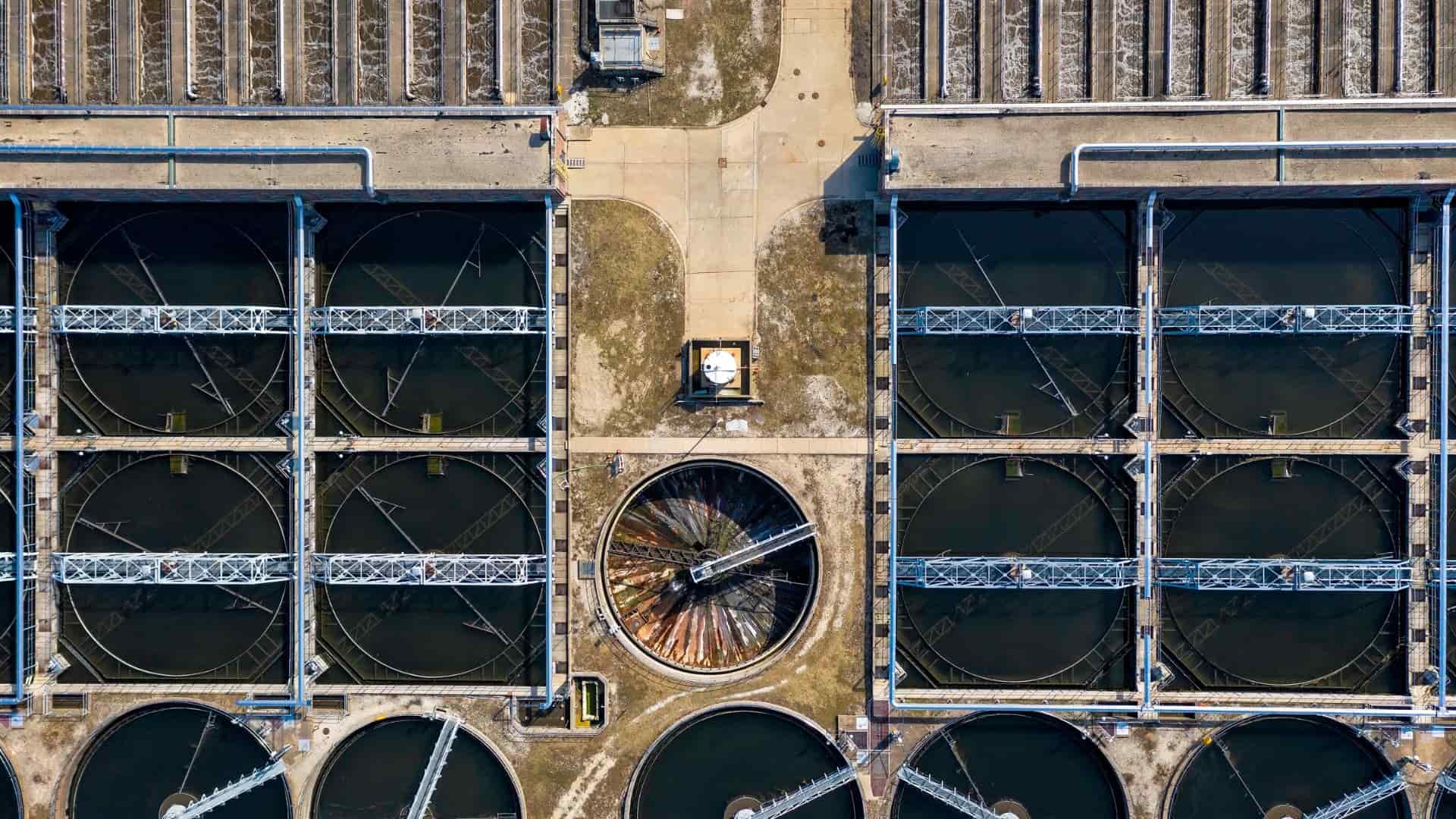
Commercial trade waste comes in different types, as is common with most waste types. It includes wastewater generated during most industrial businesses and anything else that might end up in a sewerage system.
Trade waste usually ends up in the domestic sewage system where we treat wastewater that both households and businesses produce.
However, business discharges trade waste at a might higher rate.
This blog looks at how companies in Australia manage their trade waste and where companies like Lee’s Environmental come into play.
What Constitutes Commercial Trade Waste?
In essence, trade waste comprises any waste material resulting from business operations that goes beyond ordinary domestic waste streams.
In commercial environments this might include cooking oils and greases, food by-products, wash-down effluent, oily water from vehicle or equipment cleaning, chemical solutions, sludge, and other process liquids.
Our trade waste customers compose of a wide variety of business activities.
At Lee’s Environmental our commercial services portfolio explicitly highlights grease-trap pump-outs, liquid-waste removal, oily-water pump-outs and storm-water/ sewer-pit cleaning as core trade-waste offerings.
Effectively managing trade waste requires recognising not just the material, but the pathways it can take – for example into drain networks, storm-water systems, sewer lines, or onto neighbouring properties.
Poor control can lead to contamination, odours, blocked drains, or disruptions to operations and the local environment. Substances should not enter the system if they can damage it.
Why an Effective Trade Waste Team Matter
Business processes produce different waste types. While solid waste is often seen as the most important type, liquid waste types like trade waste should not be ignored.
Our sewer network is complex and incorrect discharge can severely damage it and the connecting systems. For this reason, teams like us at Lee’s Environmental are important.
Protecting Operational Continuity
When trade-waste systems become overloaded, blocked or poorly maintained, operational interruptions often follow.
A grease trap that is full or malfunctioning may allow fats and oils to overflow, resulting in drain backup or downtime for cleaning and repair.
By proactively managing trade-waste streams businesses minimise the risk of unplanned shutdowns and maintain continuity of operations.
Minimising Hidden Costs
Visible waste-removal fees are only one part of cost. Without sound management, hidden costs accumulate: pump-out delays, reactive servicing, remediation of blocked drains or catchments, complaints from neighbours, and potential asset damage.
A well-planned trade waste agreement leads to fewer surprises and predictable cost-structures where hidden trade waste charges crop up.
Environmental and Site-Respect Responsibilities
Commercial trade waste often contains materials that can harm site infrastructure or the broader environment if not handled correctly.
Fats, oils, chemical residues, suspended solids may migrate into storm-water or sewer systems, impact local drains or require special handling.
Businesses that partner with a provider who understands the specific demands of trade-waste ensure safe, compliant disposal and preserve the site environment.
Reputation and Risk Management
For many businesses, particularly those in hospitality or food service, a hygiene issue or drain-back event can damage reputation.
Well-managed trade-waste procedures help maintain a clean, professional environment and show clients, regulators and site visitors that the business is serious about its operations.
Key Elements of a Trade-Waste Programme
The familiar waste management systems are used to some degree when it comes to trade waste.
We still have garbage grinders, but we also have pre treatment equipment so filter liquid wastewater generated.
Both our trade waste team and our trade waste customers follow stipulated regulations and compliance measures to ensure that contaminants do not enter and damage systems.
Segregation and Source Control
Effective trade-waste management begins at the source.
Businesses need to identify which outlets feed into grease traps, oily-water systems or general sewerage, ensure capture devices (such as grease interceptors) exist and operate correctly, and minimise ingress of inappropriate materials (for example solids, fibrous waste or heavy oils) that challenge downstream handling.
Routine Removal and Maintenance
Capture devices such as grease traps, oil-water separators or interceptors must be emptied, cleaned and inspected at appropriate intervals.
Lee’s Environmental provides pump-out services for grease traps and oily-water systems, taking care of removal, disposal and documentation.
Regular servicing prevents accumulation of harmful material and reduces the chance of system failure.
Monitoring & Documentation
A sound trade-waste programme includes monitoring of waste volumes, schedule adherence, condition of equipment and tracking of removal/disposal records.
This allows businesses to assess whether capture devices are fulfilling their role and to plan servicing rather than react.
The reporting offered by specialist providers supports transparency and operational planning.
Integration With Site Infrastructure
Trade-waste management does not stand in isolation. It must connect with broader site infrastructure: drainage networks, storm-water diversion, sewer lines, tank-farm interfaces, equipment cleaning zones and environmental-risk areas.
A professional provider like Lee’s Environmental understands the inter-relationship between trade-waste equipment and site layout, enabling integrated service.
When to Engage a Specialist Trade-Waste Provider
If a business experiences slow drainage, repeated drain-block events, odours around grease-trap areas, overflowing pits, uncertainty about capture-device capacity or changing site processes (for example expanded kitchen operations or added wash-down bays) then it is timely to engage a specialist provider.
Lee’s Environmental offers technology and fleet dedicated to liquid-waste and trade-waste services, ensuring prompt response and reliable outcomes.
Engaging a specialist early allows the business to avoid escalation of problems.
The provider can advise on trap size or suitability, servicing intervals, removal logistics, disposal pathways and integration with other services such as jet-rodding or drain-cleaning.
This breadth of capability matters in commercial settings where multiple waste streams may converge.
Benefits of Partnering With Lee’s Environmental for Trade-Waste
Choosing a trade-waste partner with depth of experience brings advantages.
Lee’s Environmental brings decades of service in commercial and civil waste environments, with dedicated fleet, trained operators, high-powered pump trucks and integrated servicing.
The assurance of professional authority helps businesses free internal resources for core operations rather than dealing with waste emergencies.
The reliability of scheduled pump-outs, condition-reporting, and access to emergency response (for overflow or blockage events) means the business is prepared for unexpected events.
Additionally, pooling trade-waste services with other offerings (for example oil-water removal, storm-water clean-outs, grease-trap servicing) simplifies supplier management and aligns with operational efficiency.
Practical Steps Businesses Can Take Today
To establish or refine a commercial trade-waste programme, businesses should begin by identifying the volume and type of waste being generated by their operations.
Look at kitchens, wash-down areas, equipment cleaning zones, external vehicle-wash bays, manufacturing process outlets.
Next assess existing capture devices and their performance: when were they last emptied, are lids accessible, is the surrounding area free of blockages, is the discharge clear? Schedule a baseline pump-out or inspection with a provider to confirm condition.
Once the baseline is established, set a regular servicing interval that matches the site’s usage profile. A schedule might vary depending on peak operations (for example lunch and dinner trade for hospitality) or seasonality (festival periods or tourist surge).
Communicate the schedule to the servicing provider and ensure you understand their reporting process: confirmation of service, condition summaries, comments on capacity or anomalies.
Ensure access and logistics for service delivery: tank or trap lids must be unlocked and clear of obstruction, truck access must be maintained, vehicle turning and parking must be considered. A proactive approach with the provider avoids delays or missed servicing.
Finally monitor performance: track drain-block events, odour incidents, overflow occurrences, and review whether servicing frequency or equipment size needs adjustment.
Review costs associated with waste-service and compare with operational impact. By monitoring the data and engaging with your provider, you can fine-tune the trade-waste programme to deliver both operational security and cost-control.
Common Pitfalls to Avoid with Liquid Waste
A frequent mistake is delaying servicing because “all seems fine” until a blockage or overflow occurs. While visible issues may be absent, the capture device may be close to capacity or the sludge layer may have reduced efficiency.
An unplanned clean-out at short notice is often more expensive and disruptive than steady, scheduled servicing.
Another pitfall is treating all waste streams as interchangeable. Grease-laden effluent, heavy oils, fibrous sludge, and general sewer waste each behave differently.
Using generic service plans may result in insufficient equipment or inappropriate timing. A provider with trade-waste specialisation ensures correct matching of service to waste character.
Finally, inadequate coordination between site operations and servicing can lead to access problems: lids blocked by pallets, vehicles parked over service points, locked gates or restricted windows for service.
Ensuring site readiness before the servicing team arrives minimises delays and maximises value.
Summary
Managing commercial trade-waste effectively is a critical part of modern business operations in Australia.
From capture-devices and scheduled servicing, to partnering with a specialist provider, to evolving your programme as business operations shift, a proactive and integrated approach delivers key benefits: operational continuity, cost-control and environmental stewardship.
At Lee’s Environmental we bring the knowledge, fleet and service capability to support your trade-waste requirements, letting you concentrate on your core business while we handle the waste-stream complexities.
If your business is experiencing trade-waste issues or you are reviewing your servicing programme, contact us today to discuss how we can assist with pump-outs, trap servicing, oily-water removal and broader liquid-waste solutions.